



Estrogen Receptor/ERR
Estrogen receptors are a group of proteins found inside cells. They are receptors that are activated by the hormone estrogen (17β-estradiol). Two classes of estrogen receptor exist: ER, which is a member of the nuclear hormone family of intracellular receptors, and GPER (GPR30), which is a member of the rhodopsin-like family of G protein-coupled receptors. The ER's helix 12 domain plays a crucial role in determining interactions with coactivators and corepressors and, therefore, the respective agonist or antagonist effect of the ligand. Different ligands may differ in their affinity for alpha and beta isoforms of the estrogen receptor: estradiol binds equally well to both receptors, estrone, and raloxifene bind preferentially to the alpha receptor, estriol, and genistein to the beta receptor. Estrogen and its receptors are essential for sexual development and reproductive function, but also play a role in other tissues such as bone. Estrogen receptors are also involved in pathological processes including breast cancer, endometrial cancer, and osteoporosis. Alternative promoter usage and alternative splicing result in dozens of transcript variants, but the full-length nature of many of these variants has not been determined.
Estrogen Receptor/ERR Isoform Specific Products
All Product Categories
-
Estrogen Receptor/ERR Inhibitors
(133)
View all products
-
Estrogen Receptor/ERR Agonists
(161)
View all products
-
Estrogen Receptor/ERR Antagonists
(107)
View all products
-
Estrogen Receptor/ERR Activators
(51)
View all products
-
Estrogen Receptor/ERR Modulators
(118)
View all products
-
Estrogen Receptor/ERR Chemicals
(2)
View all products
-
Estrogen Receptor/ERR Degraders
(73)
View all products
-
Estrogen Receptor/ERR Controls
(6)
View all products
-
Estrogen Receptor/ERR Ligands
(27)
View all products
-
Estrogen Receptor Proteins
(2)
View all products
-
ER-alpha Proteins
(1)
View all products
-
ER-beta Proteins
(1)
View all products
-
Productos relacionados con Estrogen Receptor/ERR (816)
Productos relacionados con (816)

-
Recombinant Proteins (2)
-
Antibodies (11)
-
Estrogen Receptor/ERR Isoform Comparison
-
Lasofoxifene
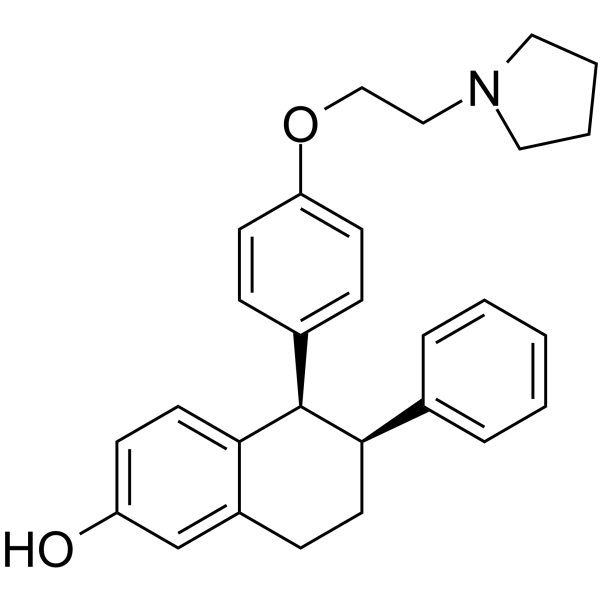 0 ImagesSynonyms: CP-336156Lasofoxifene (CP-336156) is an orally active and selective estrogen receptor modulator (SERM). Lasofoxifene exhibits an anti-osteoporotic function and also inhibits primary tumor growth and metastases. Lasofoxifene can be used for research of breast cancer and postmenopausal osteoporosis.
-
Propylparaben
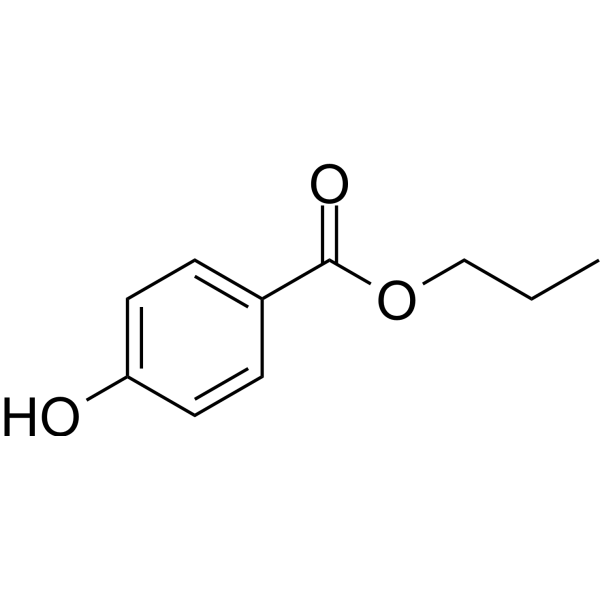 0 ImagesSynonyms: Propyl parahydroxybenzoate; Propyl 4-hydroxybenzoatePropylparaben (Propyl parahydroxybenzoate) is an antibacterial preservative that can be produced by plants and bacteria. Propylparaben is an orally active weak estrogen receptor agonist. Propylparaben regulates the PI3K-AKT and JNK signaling pathways, and induces oxidative stress. Propylparaben is commonly used in cosmetics, pharmaceuticals and foods, and can be used in studies related to ovarian aging and myocardial ischemia-reperfusion injury.
-
Elacestrant dihydrochloride
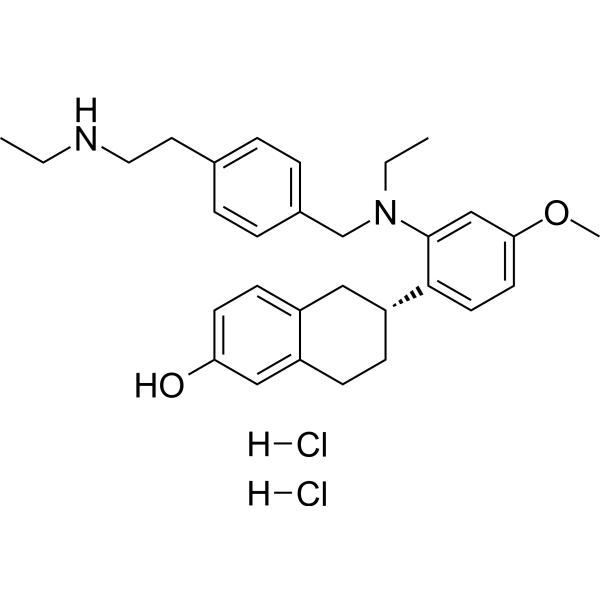 0 ImagesSynonyms: RAD1901 dihydrochlorideElacestrant (RAD1901) dihydrochloride is an orally available and selective estrogen receptor degrader (SERD) with IC50s of 48 and 870 nM for ERα and ERβ, respectively. Elacestrant dihydrochloride also can inhibit growth of ER+ breast cancer cell lines in vitro and in vivo.
-
Endoxifen
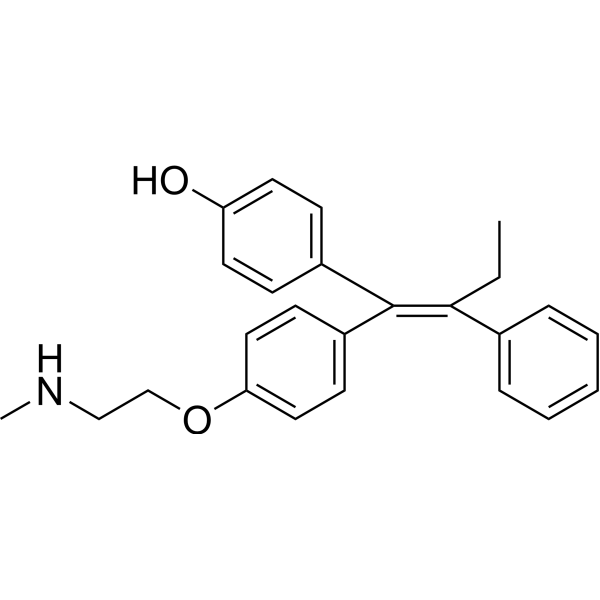 0 ImagesEndoxifen is a key active metabolite of tamoxifen (TAM) with higher affinity and specificity to estrogen receptor that also inhibits aromatase activity. Endoxifen has the potential for breast cancer study.
-
MPP hydrochloride
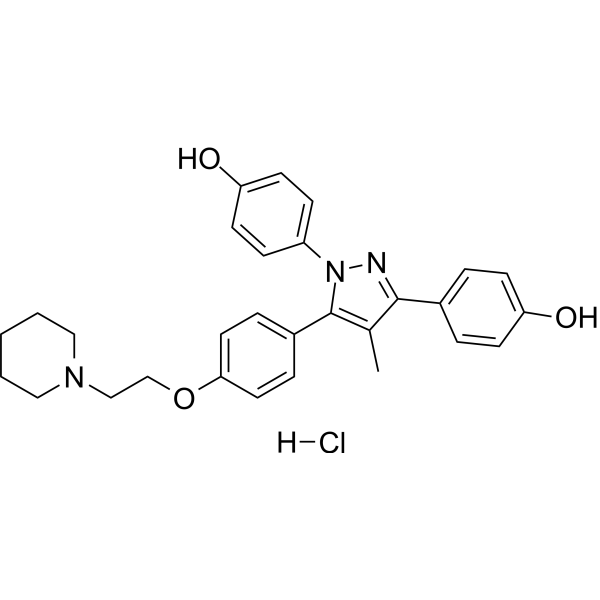 0 ImagesMPP hydrochloride is a potent and selective ER (estrogen receptor) modulator. MPP hydrochloride induces significant apoptosis in the endometrial cancer and oLE cell lines. MPP hydrochloride reverses the the positive effects of beta-estradiol. MPP hydrochloride has mixed agonist/antagonist action on murine uterine ERalpha in vivo.
-
TFMB-(R)-2-HG
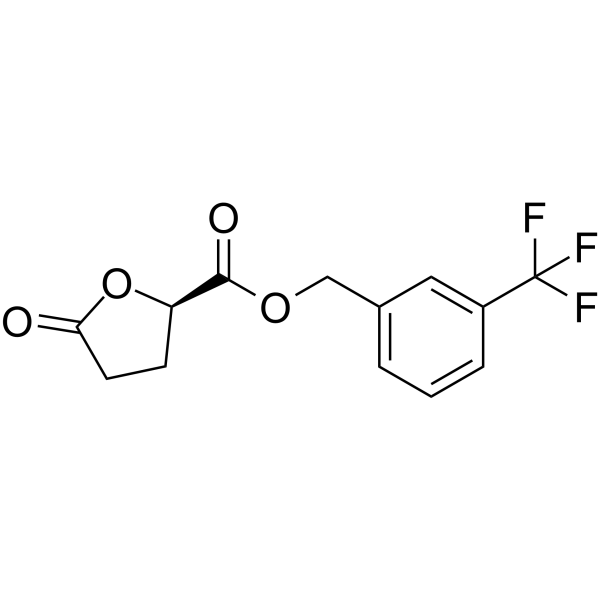 0 ImagesTFMB-(R)-2-HG is a cell membrane-permeable (R)-2-HG and acute myeloid leukemia (AML) oncogenic factor. TFMB-(R)-2-HG competitively inhibits α-ketoglutarate-dependent dioxygenases such as KDM2B and FTO. TFMB-(R)-2-HG impairs cell differentiation in response to Estrogen withdrawal. TFMB-(R)-2-HG is used in acute myeloid leukemia and glioma research.
-
Estrone sulfate potassium
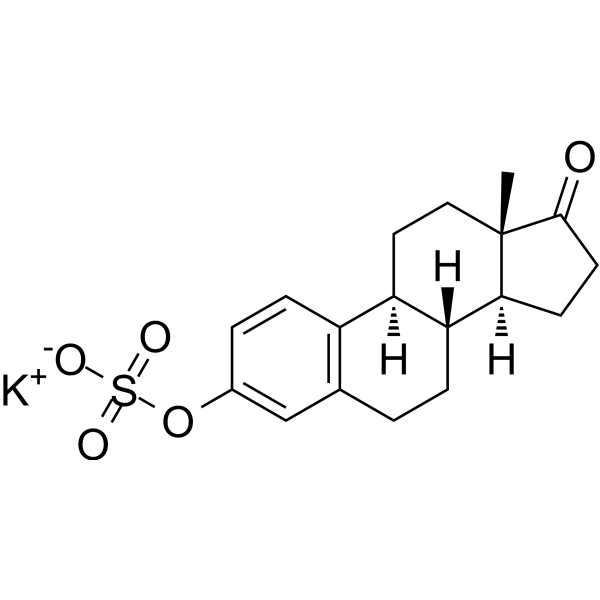 0 ImagesEstrone sulfate potassium is an inactive endogenous estrogen that can be converted into Estrone (HY-B0234) and Estradiol (HY-B0141). Estrone sulfate potassium is also a substrate of the OATP1B3 transporter. Estrone sulfate potassium can be converted into Estrone and Estradiol in normal mammary parenchymal cells. Estrone sulfate potassium stimulates the growth of nitrosomethylurea-induced mammary tumors in ovariectomized rats and the colony formation of dispersed nitrosomethylurea mammary cells, with conversion into Estrone and Estradiol occurring both in vivo and in vitro during this process. Estrone sulfate potassium is applicable to breast cancer-related research.
-
Toremifene
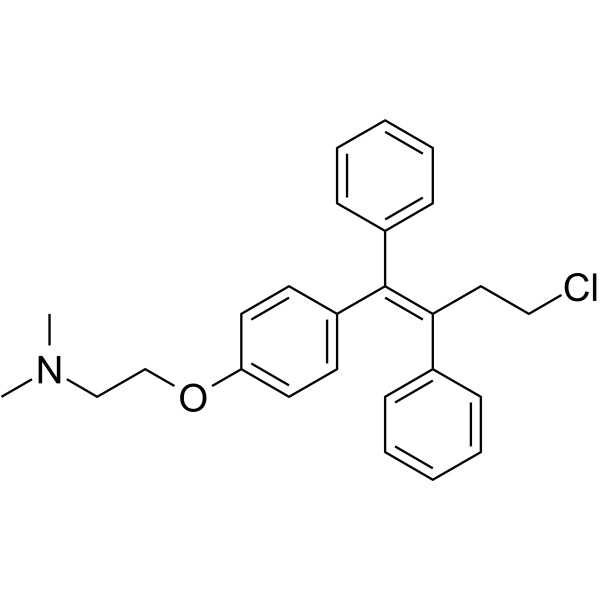 0 ImagesSynonyms: Z-Toremifene; NK 622 free base; FC-1157a free base
-
Smurf1-IN-A01
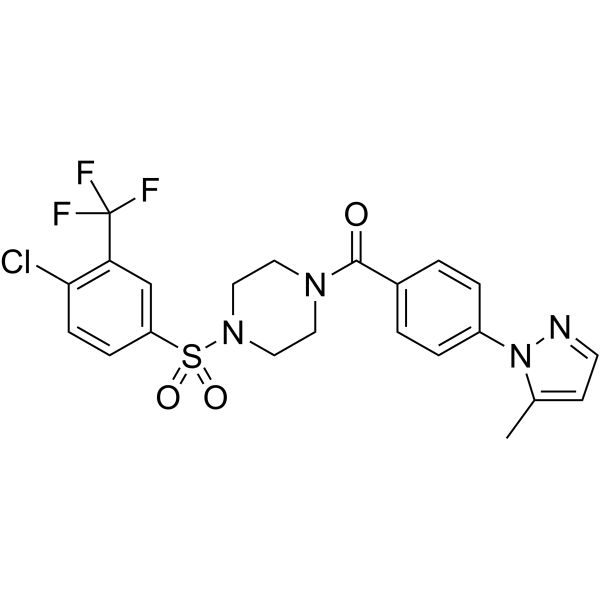 0 ImagesSynonyms: A01Smurf1-IN-A01 is a Smurf1 inhibitor. Smurf1-IN-A01 has anticancer activity and can be used for the research of osteoporosis and age-related macular degeneration.
-
Prinaberel
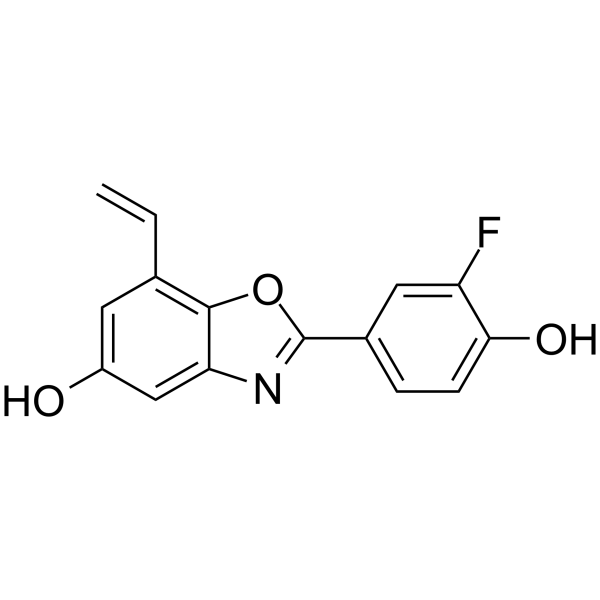 0 ImagesSynonyms: ERB-041Prinaberel (ERB-041) is a potent and selective estrogen receptor (ER) β agonist with IC50s of 5.4, 3.1 and 3.7 nM for human, rat and mouse ERβ, respectively. Prinaberel displays >200-fold selectivity for ERβ over ERα. Prinaberel is a potent skin cancer chemopreventive agent that acts by dampening the WNT/β-catenin signaling pathway. Prinaberel induces ovarian cancer apoptosis.
-
Toremifene citrate
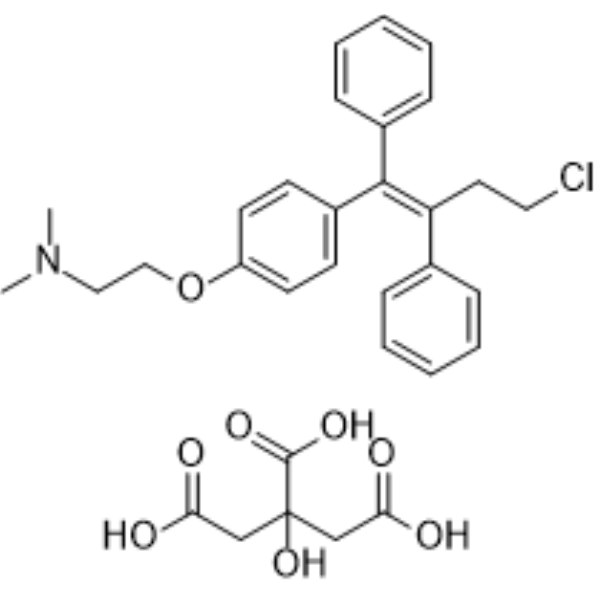 0 ImagesSynonyms: Z-Toremifene citrate; NK 622; FC-1157a
-
Estradiol-d4
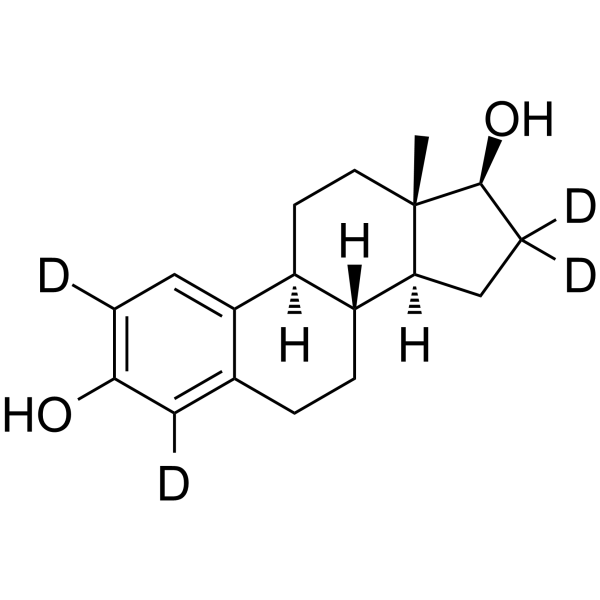 0 ImagesSynonyms: β-Estradiol-d4; 17β-Estradiol-d4; 17β-Oestradiol-d4Estradiol-d4 is the deuterium labeled Estradiol. Estradiol is a steroid sex hormone vital to the maintenance of fertility and secondary sexual characteristics in females. Estradiol upregulates IL-6 expression through the estrogen receptor β (ERβ) pathway.
-
Lasofoxifene tartrate
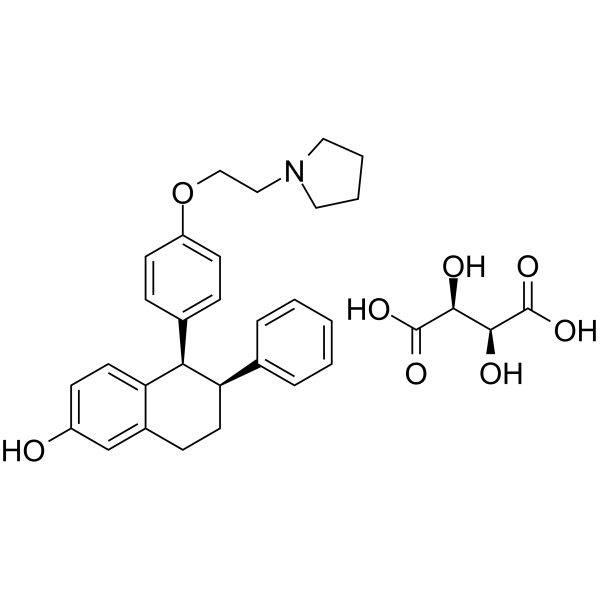 0 ImagesSynonyms: CP-336156 tartrateLasofoxifene (CP-336156) tartrate is an orally active and selective estrogen receptor modulator (SERM). Lasofoxifene tartrate exhibits an anti-osteoporotic function and also inhibits primary tumor growth and metastases. Lasofoxifene tartrate can be used for the research of breast cancer and postmenopausal osteoporosis.
-
Estradiol-d5
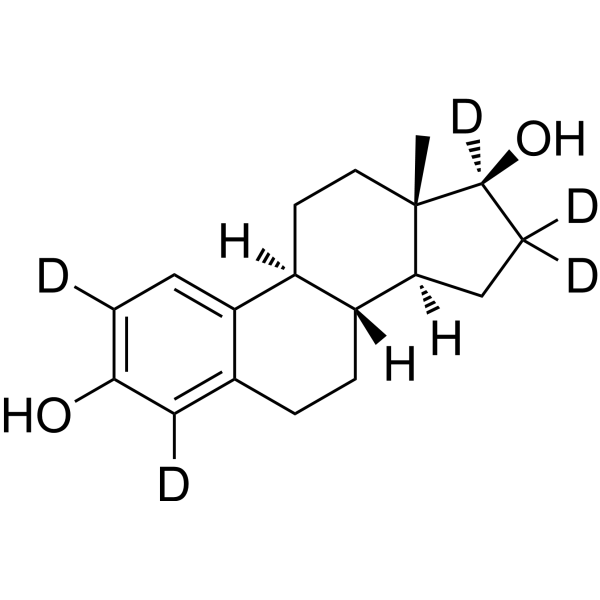 0 ImagesSynonyms: β-Estradiol-d5; 17β-Estradiol-d5; 17β-Oestradiol-d5Estradiol-d5 is deuterium labeled Estradiol. Estradiol is a steroid sex hormone vital to the maintenance of fertility and secondary sexual characteristics in females. Estradiol upregulates IL-6 expression through the estrogen receptor β (ERβ) pathway.
-
Octocrylene
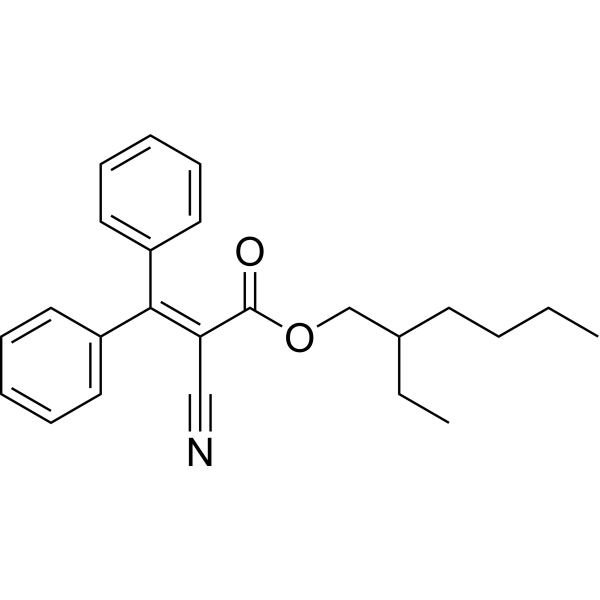 0 ImagesOctocrylene is an organic ultraviolet (UV) filter that absorbs mainly UVB radiation and shorter UVA wavelengths. Octocrylene acts as a partial agonist of PPARγ, which alters the gene transcription profile of lipid metabolism enzymes. In addition, Octocrylene is cytotoxic and genotoxic to human skin fibroblasts and mediates the biosynthesis of estrogens such as estriol in zebrafish larvae, while affecting antioxidant pathways including glutathione transferase and peroxisomes.
-
Ospemifene
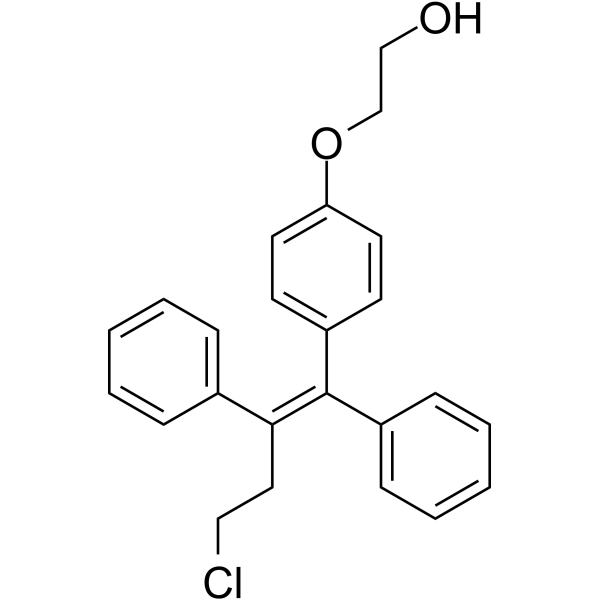 0 ImagesSynonyms: FC-1271aOspemifene (FC-1271a) is an orally active and non-estrogenic selective estrogen receptor modulator (SERM) with Ki values of 380 and 410 nM for estrogen receptor α (ERα) and ERβ, respectively. Ospemifene inhibits caspase-3 activity. Ospemifene inhibits neuronal degeneration, prevents bone loss, and increases vaginal weight and vaginal epithelial height. Ospemifene has anticancer activity against breast cancer.
-
Cholesterol-13C2
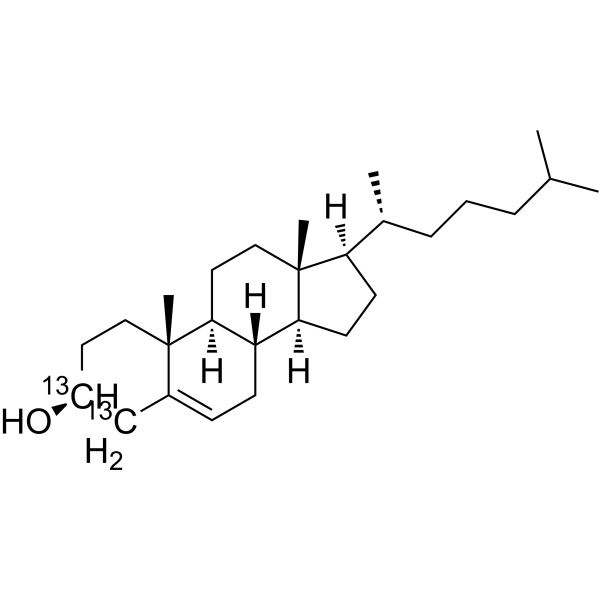 0 ImagesCholesterol-13C2 is the 13C labeled Cholesterol. Cholesterol is the major sterol in mammals. It is making up 20-25% of structural component of the plasma membrane. Plasma membranes are highly permeable to water but relatively impermeable to ions and protons. Cholesterol plays an important role in determining the fluidity and permeability characteristics of the membrane as well as the function of both the transporters and signaling proteins. Cholesterol is also an endogenous estrogen-related receptor α (ERRα) agonist.
-
Phthalic acid
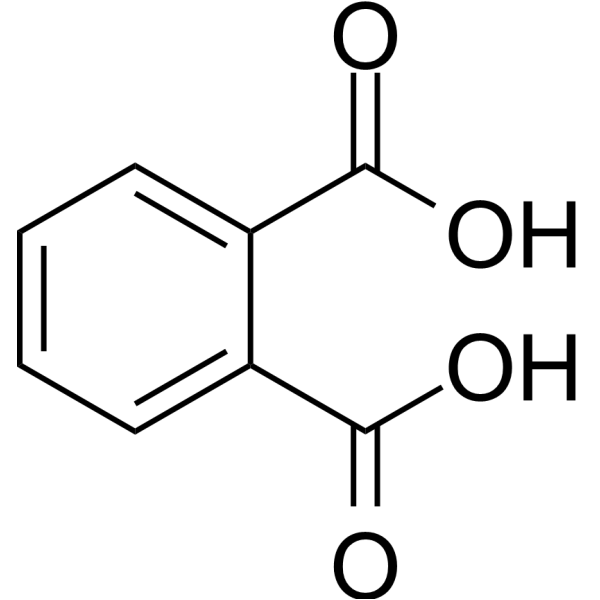 0 ImagesPhthalic acid is the final common metabolite of phthalic acid esters (PAEs). Phthalic acid can be used for the synthesis of synthetic agents, such as isophthalic acid (IPA), and terephthalic acid (TPA). Phthalic acid has applications in the preparation of phthalate ester plasticizers. Phthalic acid exhibits mutagenic effect and causes genetic damage in mammalian germ cells.




